Will Your Venue Technology Stand Up to Martyn’s Law?
Martyn’s Law will require qualifying venues to demonstrate that they have taken appropriate and proportionate steps to prepare for a terrorist incident.
For many venues, the challenge isn’t understanding the legislation. The challenge is proving that their people, processes and technology can support an effective response when it matters most.
- Can you communicate clear instructions to every area of your venue within seconds?
- Can staff, contractors and security teams receive the same information at the same time?
- Do your AV, control room, digital signage, public address and communications systems work together during an emergency?
- Can you direct, warn or evacuate thousands of people quickly and confidently?
- Could you demonstrate to regulators that your venue has the systems and capabilities needed to support your response plan?

If you’re unsure of the answer to any of these questions, it’s time to review your technology infrastructure. Martyn’s Law is not simply a security challenge. It’s an operational and technology challenge that requires leadership, facilities, operations, security and technology teams to work together.
CTI helps stadiums, arenas, entertainment venues and public venues assess whether their existing AV and communication systems can support the requirements of modern emergency response planning—and identifies where gaps exist before they become a problem.
The question is not does Martyn’s Law apply to our venue?
But instead, If an incident happened tomorrow, could we demonstrate that our venue was genuinely prepared?

How CTI Helps Venues Prepare
Preparing for Martyn’s Law isn’t about buying a single product. It’s about ensuring the systems across your venue can work together to support an effective response when needed.
CTI helps venue operators assess, design and integrate the technology that underpins emergency communications, public safety and operational resilience.
For senior leaders and those responsible for a venue, preparation may involve reviewing:
- Staff awareness and training
- Emergency communications
- Roles and responsibilities
- Incident response processes
- Technology and operational resilience
- How readiness decisions are documented and demonstrated
Martyn’s Law is not solely a security consideration. It is an organisation wide responsibility that requires practical coordination across people, processes and technology.
Our Solutions Include
Independent guidance. Practical implementation.
Team 9
Team 9 provides independent advisory expertise in Martyn’s Law, protective security and operational resilience.
Their specialists help organisations understand their responsibilities, evaluate their current position and identify practical steps to strengthen preparedness.
CTI
CTI helps venues assess, design and implement the communications and operational technologies that support an effective response.
Our capabilities include:
CTI is technology agnostic. Recommendations are shaped around the operational needs of the venue rather than a single manufacturer or platform.
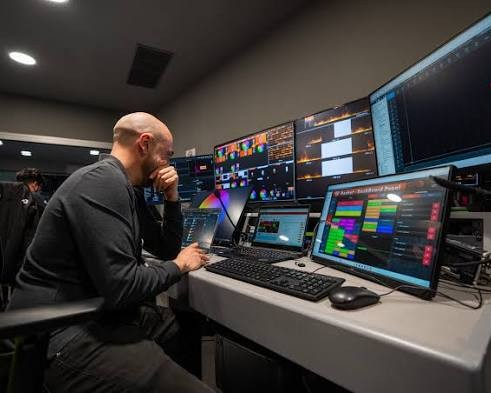
Preparedness begins with understanding where you stand
Martyn’s Law readiness cannot be addressed by one department, one document or one technology purchase.
It begins with a clear understanding of your organisation’s responsibilities, its current capabilities and the gaps that may prevent an effective response.
Join CTI and Team 9 to learn what your venue should be considering now.
Safety Cannot Be a Luxury Item
There is a version of venue safety that is relatively straightforward.
You commission a full survey. You replace the network. You modernise the control room. You upgrade CCTV, public address, radio coverage, access control and digital signage. Then you integrate everything onto one platform.
Get Registered Now
Speak with our UK team about Martyn’s Law readiness and the communications technology supporting your venue.