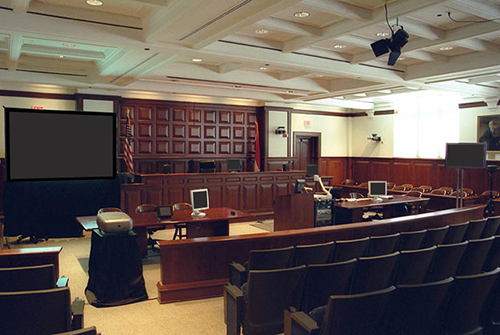
How to Future-Proof Your Stadium or Venue Against Rapid Tech Changes
How to Future-Proof Your Stadium or Venue Against Rapid Tech Changes The rapid evolution of technology is reshaping the live event experience. From AI-driven ticketing systems to 5G-enabled fan engagement, stadiums and venues must continuously adapt to remain competitive. Future-proofing ...

Skilled Labor, Big Impact: The People You Need for Event Success
Skilled Labor, Big Impact: The People You Need for Event Success Planning a large-scale live event is a high-stakes operation. From concept to execution, event producers, venue managers, and creative directors juggle logistics, technology, and audience experience. Success isn't just ...
Completing Statewide Courtroom AV Integrations
Completing Statewide Courtroom AV Integrations: A Guide for Court Administrators and IT Leaders Modernizing Courtrooms for Efficiency, Accessibility, and Security For court administrators, IT directors, judges, and clerks, ensuring a seamless courtroom experience is not just a priority—it’s a necessity. ...

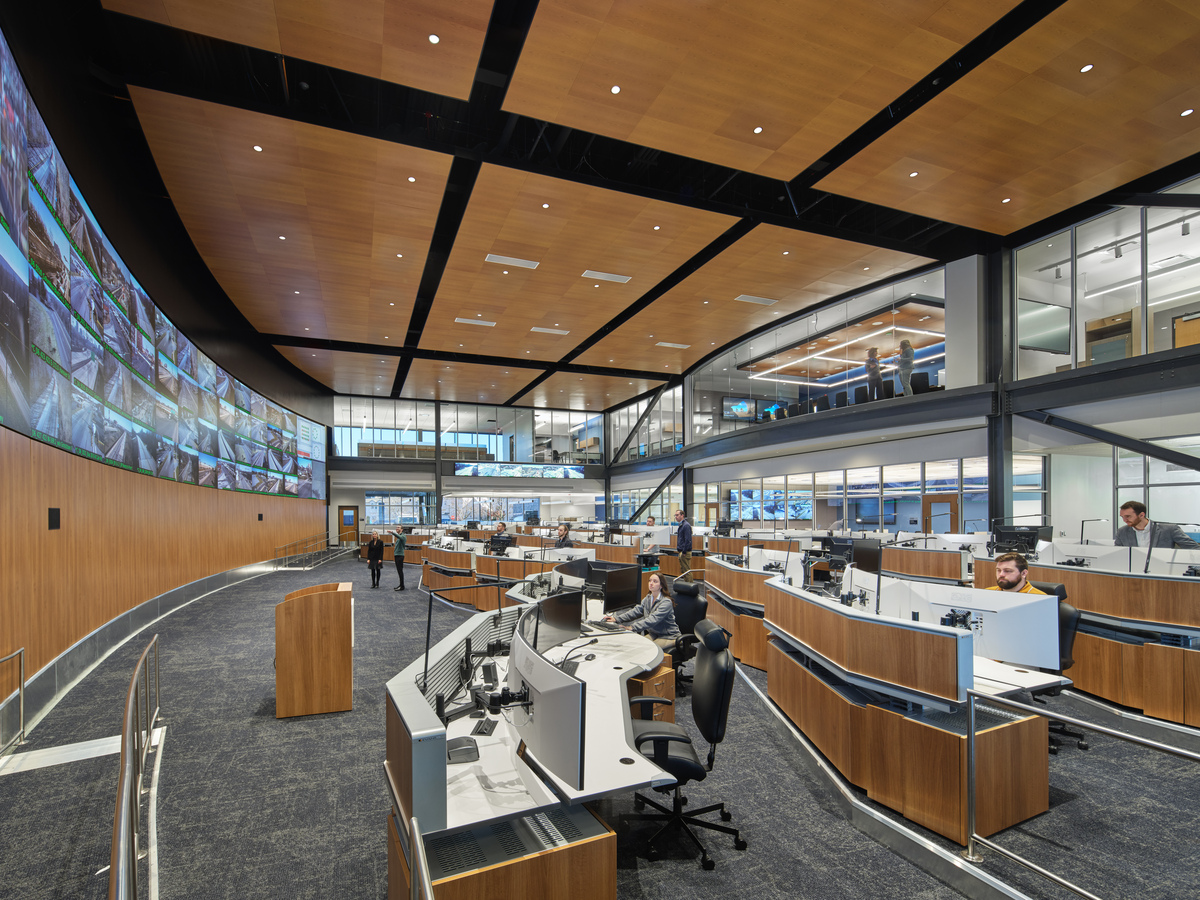
Disaster Response Center Design: The Blueprint for Crisis-Ready Facilities
Disaster Response Center Design: The Blueprint for Crisis-Ready Facilities The Need for Purpose-Built Disaster Response Centers When disaster strikes, the first 24 hours are critical. Whether responding to hurricanes, wildfires, or cyberattacks, Disaster Response Centers (DRCs) serve as operational ...
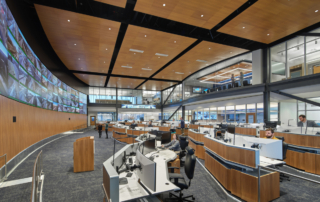
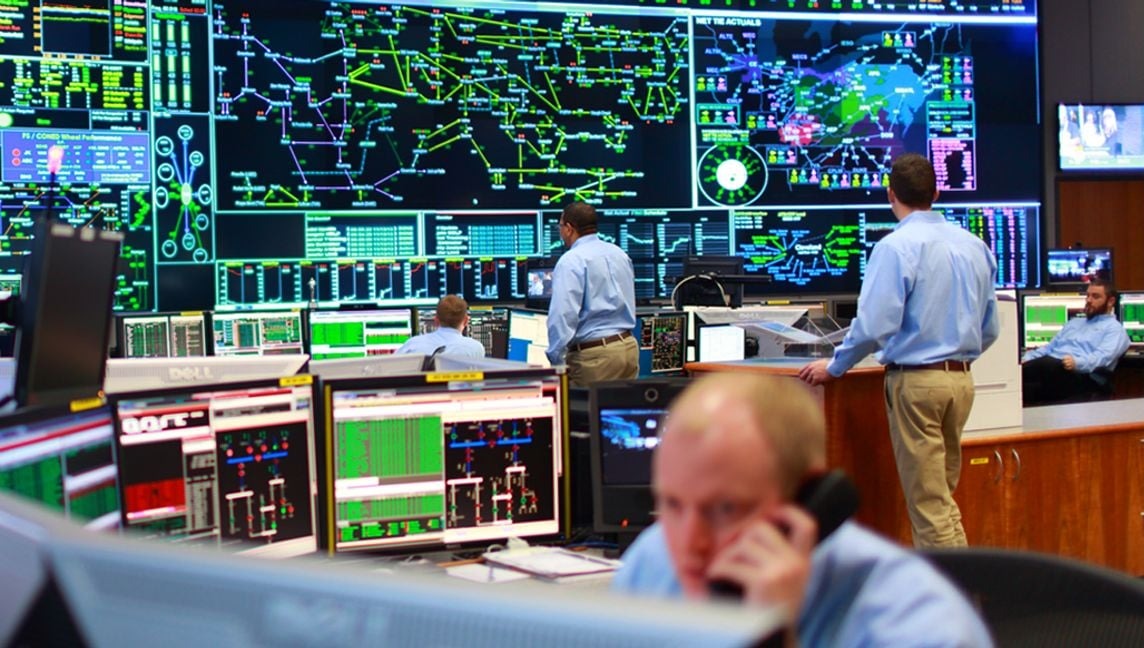
Enhancing Disaster Response: The Evolution of Emergency Operations Centers
The landscape of disaster response has transformed significantly with the evolution of Emergency Operations Centers (EOCs). From rudimentary coordination points to sophisticated hubs equipped with cutting-edge technology, EOCs play a pivotal role in managing crises effectively. Historical Perspective: Traditionally, ...
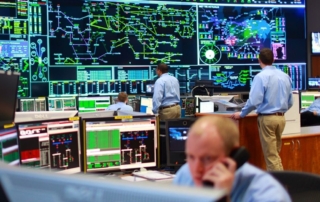
Core Design Principles for EOCs
Core Design Principles for EOCs When disasters strike—whether natural or human-made—Emergency Operations Centers (EOCs) serve as the nerve center for crisis management. These command hubs bring together key personnel, resources, and technology to ensure a rapid and effective response. ...